Top Tips for Choosing the Best Boots for Mining Safety and Comfort
When it comes to mining, the right footwear is crucial for both safety and comfort in a demanding environment. Boots for mining must be designed to withstand harsh conditions, including exposure to heavy machinery, sharp objects, and varying weather elements. According to the Bureau of Labor Statistics, slips, trips, and falls are among the leading causes of workplace injuries in mining operations, emphasizing the importance of appropriate footwear. A study by the National Institute for Occupational Safety and Health highlights that over 40% of injuries can be mitigated with proper protective gear, including safety boots, which are built to provide stability, traction, and protection against punctures.
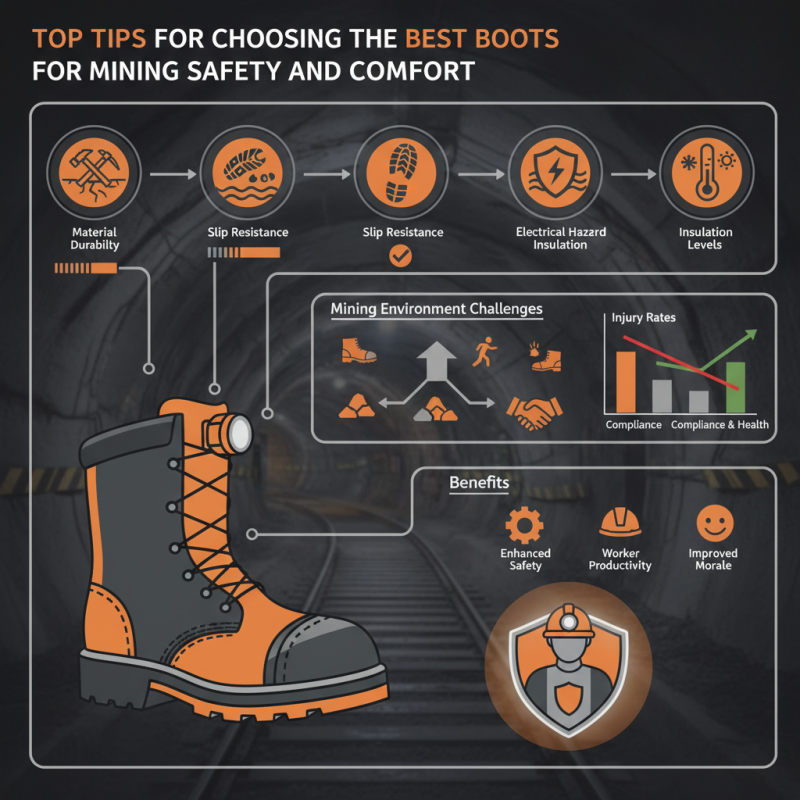
Choosing the best boots for mining involves considering factors such as material durability, slip resistance, and insulation levels. Mining sites often deal with wet, muddy, or uneven terrain, making it essential for footwear to offer a strong grip to prevent accidents. Furthermore, the potential exposure to electrical hazards necessitates the use of boots with insulated features. This decision is not only about compliance with safety regulations; it directly impacts worker productivity and morale. By investing in high-quality boots for mining, companies can enhance safety protocols, potentially reducing injury rates and fostering a healthier work environment.
Understanding the Importance of Mining Boots for Safety and Comfort
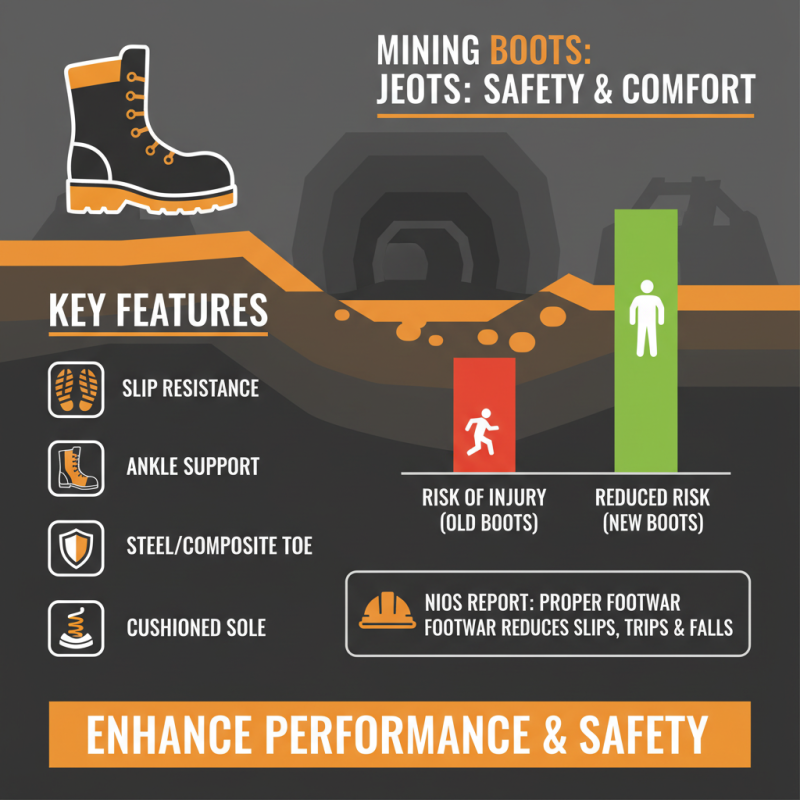
Mining boots play a critical role in ensuring the safety and comfort of workers in one of the most hazardous professions. According to the Bureau of Labor Statistics, the mining industry records thousands of injuries each year, many of which can be attributed to inadequate footwear. A well-designed mining boot not only provides protection against falling objects and sharp materials but also offers essential support and shock absorption to reduce fatigue during long hours of work. The National Institute for Occupational Safety and Health (NIOSH) emphasizes that proper footwear can significantly decrease the risk of slips, trips, and falls, which are among the leading causes of injuries in the industry.
Comfort is equally vital as safety when it comes to selecting the right mining boots. Workers often spend extended periods on their feet, navigating uneven terrain while carrying heavy loads. A study from the American Academy of Orthopaedic Surgeons found that improper footwear can lead to musculoskeletal disorders, which can severely impact an employee's health and productivity. Features such as cushioned insoles, moisture-wicking materials, and proper fit are essential for maintaining foot health and preventing discomfort. By prioritizing both safety features and comfort elements, miners can protect themselves while also enhancing their performance on the job.
Key Features to Look for in Mining Boots
When selecting mining boots, it is essential to prioritize safety and comfort by focusing on specific key features that enhance performance in rugged environments. According to a report by the National Institute for Occupational Safety and Health (NIOSH), proper footwear can significantly reduce the risk of injuries related to slips, trips, and falls, which are common in mining operations. One critical feature to consider is the boot’s slip resistance; boots equipped with high-friction outsoles can provide excellent traction on various surfaces, decreasing the likelihood of accidents in wet or uneven terrains.
Additionally, safety toe caps, often made from steel or composite materials, are crucial for protecting feet against heavy falling objects. The American Society for Testing and Materials (ASTM) sets safety standards for protective footwear, emphasizing that boots should meet or exceed these requirements to ensure adequate protection. Moreover, comfort is not to be underestimated; features such as cushioned insoles and breathable materials can significantly impact a miner’s endurance during long shifts. A study published in the Journal of Safety Research indicates that footwear comfort correlates with improved productivity and job satisfaction, underscoring the importance of finding the right balance between safety features and comfort in mining boots.
Material Choices: Durability and Protection in Mining Boots
When selecting mining boots, the choice of materials plays a crucial role in ensuring both durability and protection for workers in challenging environments. Mining boots must withstand harsh conditions, including exposure to sharp objects, hard impacts, and various weather elements. Common materials used in the construction of these boots include high-quality leather, synthetic compounds, and rubber. Leather, for instance, offers exceptional durability and resistance to abrasions, while synthetic alternatives can provide lighter weight options that enhance comfort without sacrificing safety.
In addition to durability, waterproofing and insulation are important factors to consider. Many mining boots come with waterproof membranes that keep feet dry in wet conditions, which is essential for preventing blisters and other foot ailments. Additionally, insulation materials help regulate temperature, providing comfort during long hours in cold mining environments. Choosing a boot with these features can significantly enhance a miner's performance and overall safety, enabling them to focus on their tasks without being hindered by discomfort or hazardous conditions.
Top Tips for Choosing the Best Boots for Mining Safety and Comfort
| Material |
Durability |
Protection Level |
Comfort Rating |
Weight |
| Leather |
High |
Excellent |
Moderate |
Heavy |
| Synthetic |
Medium |
Good |
High |
Light |
| Rubber |
Very High |
Excellent |
Low |
Medium |
| Composite |
High |
Very Good |
High |
Light |
| Steel Toe |
High |
Excellent |
Moderate |
Medium |
Fit and Sizing: Ensuring Comfort for Long Hours
When selecting boots for mining, fit and sizing play an essential role in ensuring comfort during long hours of demanding work. The right fit can prevent discomfort and serious foot issues that can arise from prolonged wear. It’s crucial to assess the length, width, and overall shape of the foot, as footwear that is too tight can cause blisters and pinching, while overly loose boots may lead to instability and slippage, risking injury.
When trying on boots, it’s advisable to wear the same type of socks that will be used during work to get an accurate fit. Pay attention to areas such as the toe box, ensuring there is enough space for the toes to wiggle, and check for heel lift that could lead to irritation. Additionally, consider the arch support and cushioning, as these factors contribute significantly to the overall comfort of the boot. Taking the time to find the right size and fit can greatly enhance performance and safety on the job, allowing for a better focus on the tasks at hand rather than on discomfort from improper footwear.
Boots Fit and Comfort Ratings for Mining Safety
The chart above displays the ratings for key factors when choosing the best mining boots focusing on fit, comfort, durability, slip resistance, and weight. These factors are crucial for ensuring safety and comfort during long working hours in mining environments.
Maintaining and Caring for Your Mining Boots for Longevity
Caring for your mining boots is crucial to ensure their longevity and maintain optimal performance in challenging work conditions. Regular cleaning is a fundamental step in extending the life of your boots. After every shift, it is advisable to remove dirt and debris using a soft brush or cloth. This prevents the accumulation of grime that can deteriorate materials over time. For leather boots, applying a suitable conditioner can help maintain flexibility and prevent cracking, while waterproofing treatments can be reapplied as necessary to keep water out during wet conditions.
Additionally, proper storage of your mining boots contributes significantly to their durability. After cleaning, store them in a cool, dry place away from direct sunlight to prevent unnecessary wear and fading. Avoid cramming them into tight spaces, which can distort their shape. Insert boot trees or stuff them with paper to help maintain their structure when not in use. Regularly inspecting the soles and tread for signs of wear will also enable timely repairs or replacements, ensuring that safety features are always intact. Taking these simple steps can significantly enhance the lifespan of your mining boots, allowing them to provide the safety and comfort needed in a demanding work environment.