What is the Importance of Food Industry Safety Shoes?

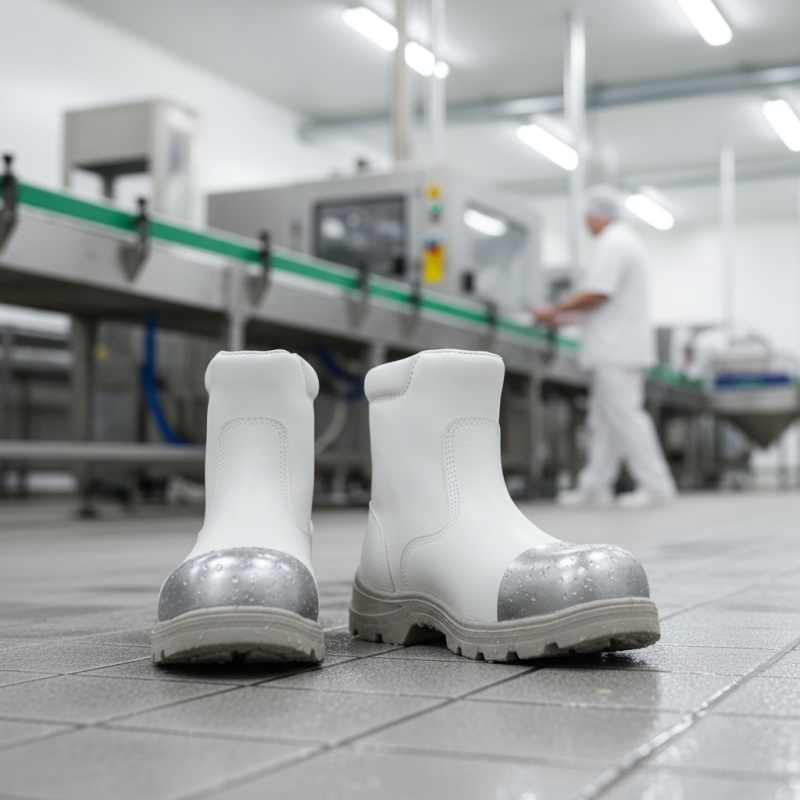
In the food industry, employee safety is a top priority. Hazardous environments pose risks that can lead to injuries. According to a report by the Occupational Safety and Health Administration (OSHA), slips and falls are a leading cause of workplace injuries. Food Industry Safety Shoes play a crucial role in preventing these accidents.

These safety shoes are designed to protect employees from various hazards. They often feature slip-resistant soles and reinforced toes. A recent study highlighted that proper footwear can reduce the risk of injuries by up to 30%. This statistic emphasizes the need for effective safety wear in food production settings.

However, not all safety shoes are created equal. Some designs may lack comfort or durability. This can lead to employees neglecting to wear them properly. As companies strive for safety, it is essential to review the effectiveness of their footwear choices. Investing in high-quality Food Industry Safety Shoes could significantly enhance workplace safety and employee well-being.
What is the Importance of Food Industry Safety Shoes?

Significance of Safety Shoes in the Food Industry

What is the Importance of Food Industry Safety Shoes?

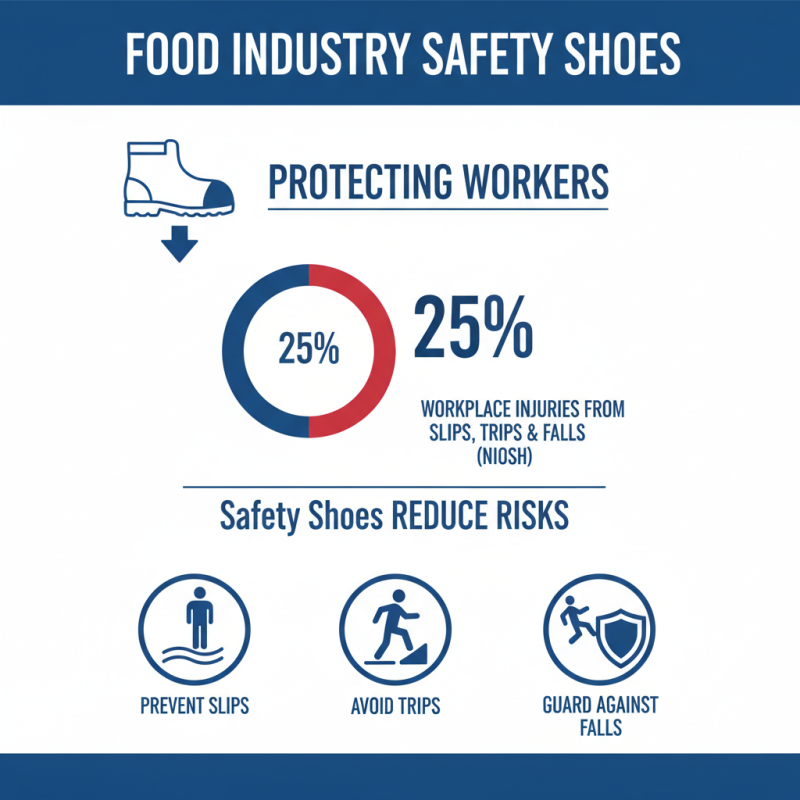
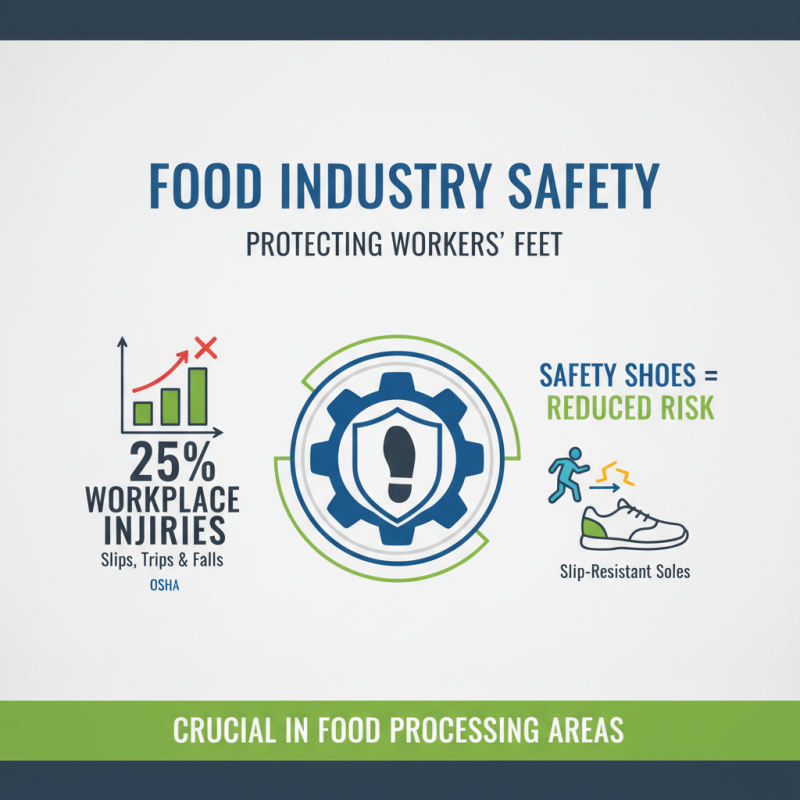
In the food industry, safety shoes play a crucial role in protecting workers. According to the Occupational Safety and Health Administration (OSHA), slips, trips, and falls account for around 25% of reported workplace injuries. These incidents can happen anywhere, especially in food processing areas. Safety shoes with slip-resistant soles can significantly reduce the risk of these accidents.

Beyond slip resistance, these shoes often provide puncture protection. In environments where sharp objects or heavy machinery are present, this feature is essential. A report from the National Safety Council states that more than 100,000 injuries each year involve foot injuries in workplaces. This statistic underscores the need for safety footwear that protects workers from such hazards.

Additionally, food safety regulations require clean and hygienic work environments. Non-slip safety shoes are easier to clean and maintain, ensuring compliance with hygiene standards. However, not all employees consistently wear appropriate footwear. This gap highlights the need for ongoing training and reminders about safety protocols in the workplace. While safety shoes are vital, the commitment to using them effectively can sometimes wane. It's a concern that needs addressing for the well-being of all workers.
Key Features of Food Industry Safety Shoes

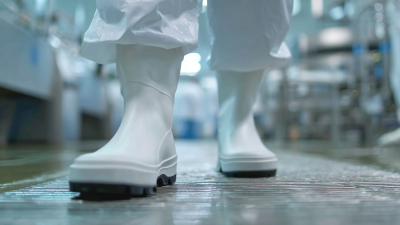
Food industry safety shoes are vital for protecting workers in a demanding environment. Reports indicate that slips, trips, and falls account for 24% of workplace injuries. Safety shoes can prevent many of these incidents. These shoes are designed to provide strong traction on wet and oily surfaces. The right footwear reduces the risk of accidents significantly.

Key features of food industry safety shoes include slip resistance, puncture protection, and waterproof materials. Shoes with slip-resistant soles help ensure stability when navigating through spills. Puncture-resistant features protect against sharp objects that may be present. Waterproof materials keep feet dry and comfortable throughout long shifts.

However, not all safety shoes meet these requirements. Employers must be diligent in selecting proper footwear. A recent survey showed that only 40% of workers feel their shoes provide adequate protection. This highlights a need for improvement in safety standards. Ensuring proper footwear is crucial for worker safety and overall productivity in the food industry.

What is the Importance of Food Industry Safety Shoes? - Key Features of Food Industry Safety Shoes

Feature Description Importance
Slip Resistance Designed with materials that provide grip on wet and slippery surfaces. Prevents slips and falls, reducing workplace accidents.
Waterproof Made with waterproof materials to keep feet dry in wet environments. Helps maintain hygiene and comfort in food processing areas.
Durability Constructed to withstand rigorous use and harsh conditions. Ensures longevity and cost-effectiveness for companies.
Comfort Features cushioning and ergonomic design for all-day wear. Reduces fatigue, allowing workers to remain productive.
Steel Toe Protection Includes reinforced toe cap to protect against heavy objects. Prevents injuries from foot impacts in busy environments.
Easy to Clean Materials and design allow for simple and quick cleaning. Maintains hygiene standards in food production areas.

Benefits of Wearing Safety Shoes in Food Processing

What is the Importance of Food Industry Safety Shoes?

In the food processing industry, safety shoes play a vital role. They protect workers from slips, trips, and falls, which account for a significant portion of workplace injuries. According to the National Institute for Occupational Safety and Health (NIOSH), nearly 25% of all injuries in the food industry result from such incidents. Wearing appropriate safety shoes can greatly reduce these risks.

Tips for choosing safety shoes include looking for slip-resistant soles. These soles help maintain traction on wet surfaces common in food processing. It is also important to consider the shoe’s material. Waterproof shoes can keep feet dry and prevent slipping. Proper footwear can boost worker confidence and reduce accident rates.

In addition, safety shoes must be comfortable. Workers often spend long hours on their feet. An uncomfortable shoe can lead to fatigue and affect job performance. A study by the Occupational Safety and Health Administration (OSHA) noted that proper footwear could improve overall employee productivity. Reflecting on this, many might overlook the importance of shoe choice at work until it’s too late.

Regulatory Standards for Food Industry Footwear

In the food industry, regulatory standards for footwear play a crucial role in ensuring safety. Employees frequently work in environments where spills, sharp objects, and heavy equipment are common. Therefore, the right footwear can prevent slips, cuts, and injuries. Standards often mandate non-slip soles, puncture resistance, and easy-to-clean materials for these shoes.

Ensuring compliance with these regulations means more than just following rules. It requires continuous assessment of comfort and fit. Ill-fitting shoes can lead to fatigue, impacting workers' efficiency. There are cases where employees prioritize style over safety, leading to preventable accidents. This tension highlights a need for ongoing education and awareness about the true importance of food industry footwear.

Investing in quality safety shoes is not merely a compliance issue; it’s a commitment to worker well-being. Some facilities fail to incorporate employee feedback regarding footwear. This disconnect may lead to widespread dissatisfaction among workers. Addressing these concerns could bridge the gap between regulation and real-world experience. Proper footwear can enhance performance and deepen a workplace culture of safety when the focus shifts to the actual needs of workers.

Choosing the Right Safety Shoes for Food Industry Workers

In the food industry, safety shoes play a crucial role. These shoes protect workers from hazardous spills and sharp objects. Studies indicate that over 25% of workplace injuries stem from slips, trips, and falls. Proper footwear can reduce these incidents significantly.

When choosing safety shoes for food industry workers, consider slip resistance. The American Society for Testing and Materials (ASTM) suggests that shoes with high traction can lower the risk of accidents. Furthermore, waterproof and easy-to-clean materials are essential. They help maintain hygiene and prevent bacterial growth. Many workplaces report increased compliance with safety protocols when proper footwear is provided.

However, there's often a disconnect between requirements and reality. Some workers prioritize comfort over safety features. This can lead to a lack of protection. Employers should regularly evaluate shoe effectiveness. They need to address any issues promptly. Engaging with workers can foster a culture of safety, ensuring they choose the right footwear.

Importance of Food Industry Safety Shoes