What is Food Industry Safety Shoes and Why Are They Essential for Workers
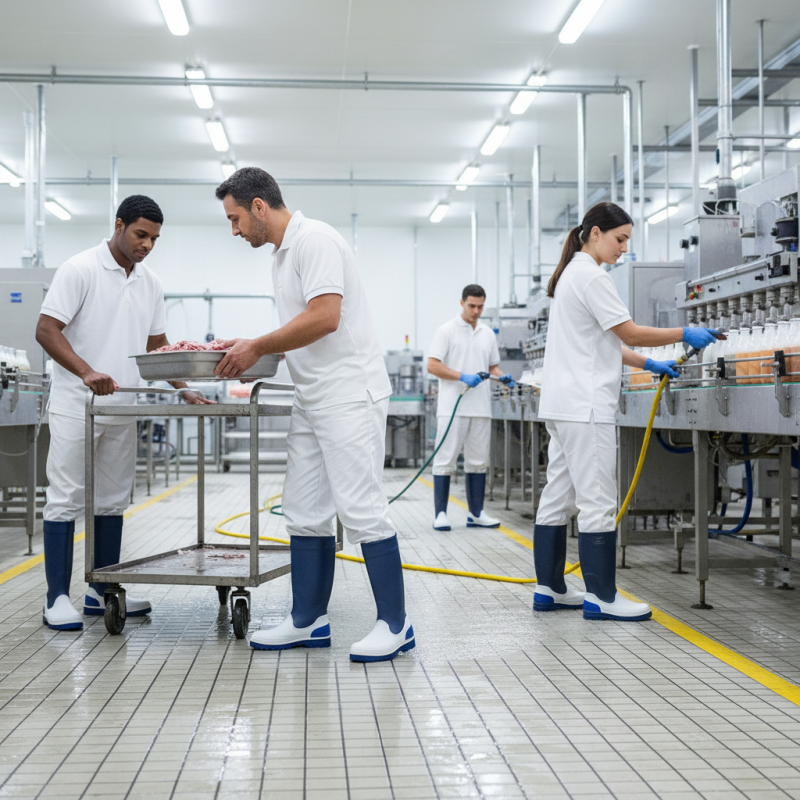
In the bustling world of food production, safety is paramount. Workers face various hazards daily. One vital piece of equipment is the Food Industry Safety Shoes. These shoes are designed specifically for the unique challenges in food processing environments. They offer protection against slips, sharp objects, and even spills.
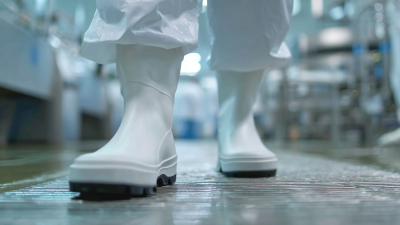
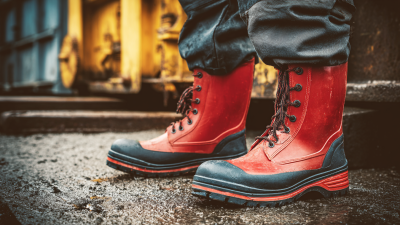
Food Industry Safety Shoes come with features like slip-resistant soles and waterproof materials. They ensure that workers maintain traction, even on wet surfaces. This is crucial for preventing accidents. Without proper footwear, the risk is significantly higher. Yet, many workers still neglect wearing these essential shoes.
Choosing the right safety shoes shouldn't be an afterthought. It requires careful consideration. Many workers overlook the importance of comfort and fit. A poorly fitted shoe can lead to discomfort and fatigue, impacting productivity. Reflecting on these aspects can lead to a safer and more efficient workplace.
What Are Food Industry Safety Shoes?
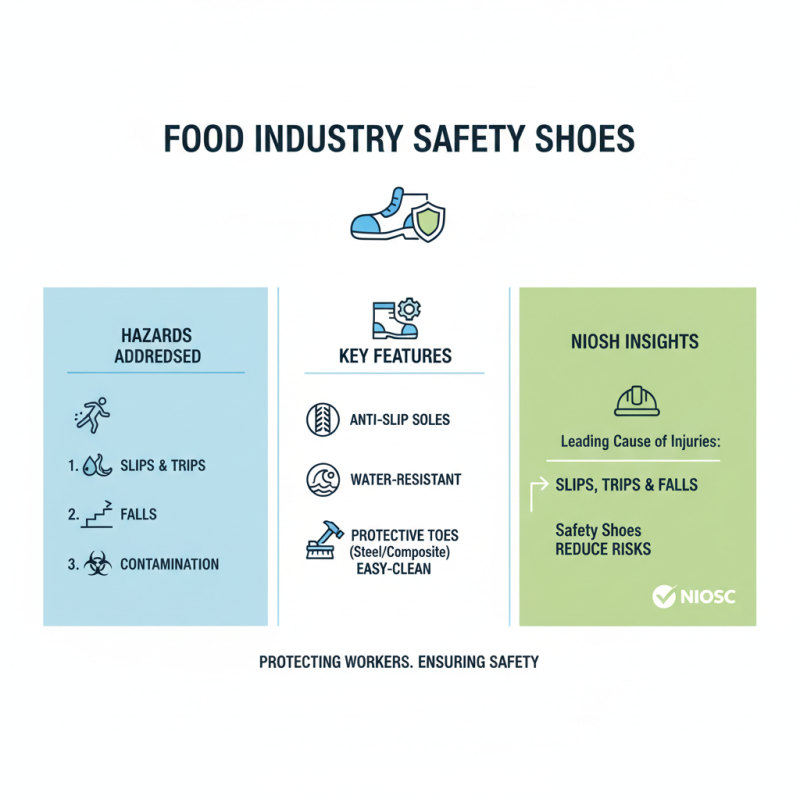
Food industry safety shoes are specialized footwear designed for workers in food processing environments. These shoes are essential for protecting employees from various hazards. According to the National Institute for Occupational Safety and Health (NIOSH), slips, trips, and falls are among the leading causes of workplace injuries, particularly in the food industry. Safety shoes can significantly reduce these risks.
These safety shoes often feature slip-resistant soles and waterproof materials. They may include steel toes for protection against heavy falling objects, which is crucial in warehouse settings. A study by the Occupational Safety and Health Administration (OSHA) reveals that proper footwear can reduce slip-related injuries by up to 30%. Workers can feel more secure when their shoes grip the floor effectively, even when surfaces are wet or greasy.
Despite these benefits, many workers still wear improper footwear. This oversight can lead to avoidable accidents and injuries. Some might prioritize comfort over safety, which is a critical mistake. Investing in quality safety shoes is not just about compliance; it's about worker well-being. The right choice can mean the difference between a safe day at work and a trip to the hospital.
Key Features of Safety Shoes in the Food Sector
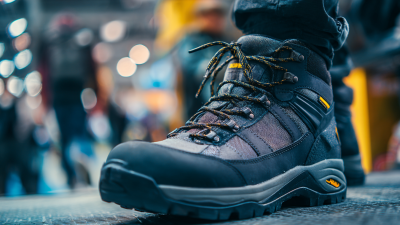
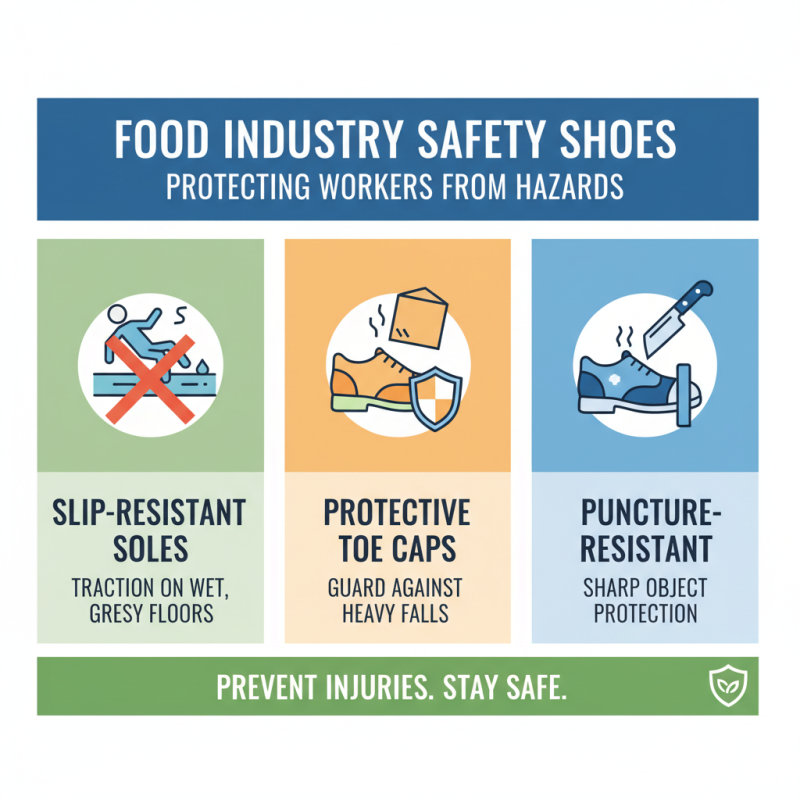
In the food industry, safety shoes play a vital role. Workers are exposed to various hazards. Slips, falls, and sharp objects can lead to serious injuries. Safety shoes help to prevent these incidents. They often have slip-resistant soles. This feature provides traction on wet or greasy floors. Many shoes also include protective toe caps. These caps guard against heavy items falling.
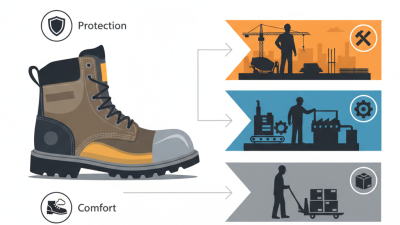
Comfort is essential for food industry workers. Many spend long hours on their feet. Proper fitting shoes can reduce fatigue. Some safety shoes offer breathable materials. This keeps feet cool and dry. However, not all workers prioritize comfort. Some choose style over safety. This choice can lead to pain and injuries over time.
Easy maintenance is another key feature. Shoes in the food sector must resist contamination. They often require regular cleaning. However, many don’t take this seriously. Filthy shoes can compromise hygiene standards. This poses risks to both workers and the food products. It's crucial to balance safety, comfort, and cleanliness.
Importance of Safety Shoes for Workers in Food Processing
In the food processing industry, safety shoes are vital. They protect workers from foot injuries caused by heavy machinery or falling objects. According to the Bureau of Labor Statistics, foot injuries account for about 25% of all reported workplace injuries. This is alarming in a fast-paced food environment where accidents can happen quickly.
Safety shoes also offer slip resistance. Many food processing areas require strict hygiene measures. Floors can be wet or slippery. The National Safety Council notes that slips and falls are a leading cause of injuries across industries. It's essential for workers to wear shoes that provide adequate traction. This simple measure can prevent numerous accidents.
Moreover, comfort cannot be overlooked. Workers often spend long hours on their feet. If the footwear is uncomfortable, it can decrease productivity. Many employees might ignore safety guidelines for convenience. A good safety shoe strikes a balance between protection and comfort. The right pair can boost morale and enhance workplace efficiency. The need for proper safety footwear is clear, yet often underestimated.
Common Hazards Addressed by Food Industry Safety Shoes
In the food industry, safety shoes are crucial for protecting workers. They face numerous hazards daily. Slips, falls, and punctures are common issues that can lead to severe injuries. According to the National Institute for Occupational Safety and Health (NIOSH), slips and falls account for 27% of workplace injuries. Proper footwear helps mitigate these risks significantly.
Workers often encounter wet surfaces in processing areas. Footwear designed for slip resistance can prevent accidents in these hazardous environments. Additionally, many food industry jobs involve heavy lifting. Protecting the feet from falling objects is essential. Toe protection can reduce injury risk by nearly 75%, as reported by the Occupational Safety and Health Administration (OSHA).
While many workers might overlook the importance of safety shoes, neglecting this aspect can lead to dire consequences. It's not just about comfort; it’s about safety. Investing in appropriate footwear must be a priority for employers. Better awareness can lead to improved worker safety and productivity.
Regulatory Standards and Compliance for Safety Footwear in Food Industry
In the food industry, ensuring worker safety is paramount. Regulatory standards for safety footwear are designed to protect employees from various hazards. These include slips, falls, and even spills of hazardous substances. Safety shoes must meet specific criteria laid out by organizations such as the Occupational Safety and Health Administration (OSHA). Compliance with these standards is not just a formality; it is a vital aspect of maintaining a safe work environment.
Safety footwear in this sector should be resistant to water, oils, and chemicals. However, some workers may still choose fashionable options over functional safety shoes. This choice can lead to serious accidents. A slip on a wet floor, for instance, can result in significant injuries and lost workdays. Employees need to understand the importance of wearing compliant footwear, not just for themselves, but also for their colleagues.
Regulatory compliance often varies by location and facility. Some organizations may overlook ongoing training on these standards. Regular reminders about the significance of safety footwear can foster a culture of safety. The food industry should continuously strive to improve compliance and ensure all workers are well-informed. Prioritizing safety footwear is essential, but awareness needs constant reinforcement.
Safety Footwear Compliance in the Food Industry