10 Essential Tips for Choosing the Best Oil Field Work Boots

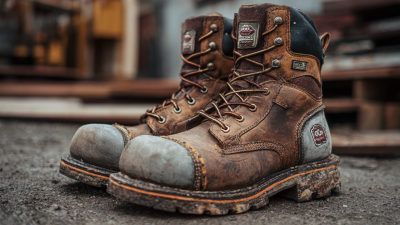
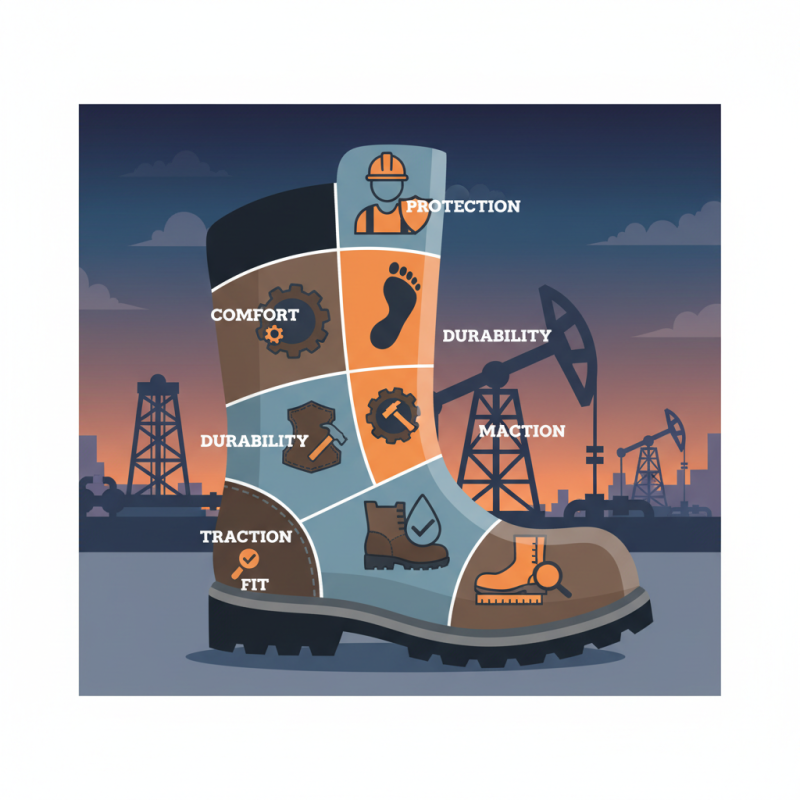
When working in the oil field, the right footwear is essential. Oil Field Work Boots must offer protection, comfort, and durability. The harsh conditions can put a strain on your feet. Choosing the right pair can prevent injuries and fatigue.

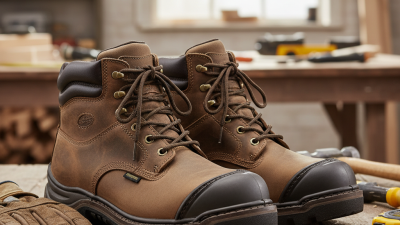
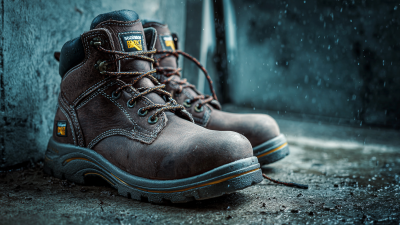
Consider the materials used. High-quality leather and waterproof features are crucial for wet environments. The soles must provide good traction to prevent slips and falls. Some boots might look appealing but fail in functionality. This can lead to discomfort during long shifts.

Fit is also important. A snug fit reduces movement inside the boot, preventing blisters. However, overly tight boots can cause pain. Don’t rush the decision. Take time to try different brands and styles. Remember, these boots are an investment in your safety and performance on the job. Choosing wisely can make a significant difference.
10 Essential Tips for Choosing the Best Oil Field Work Boots

Understanding the Importance of Oil Field Work Boots in Safety Standards

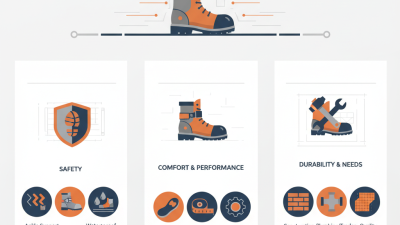
In the oil field, safety is crucial. Workers face harsh environments and potential hazards. Proper footwear is essential. Oil field work boots protect against slipping, falling objects, and electric shock. These boots are designed to withstand tough conditions, providing stability and support. Safety standards demand quality materials and construction.

When choosing boots, consider features like slip resistance and waterproofing. Look for a sturdy sole and reinforced toes. A comfortable fit is important, as discomfort can lead to accidents. Many workers overlook the weight of the boots. Heavy boots can cause fatigue over time. Light yet protective options are available.

Testing the boots before purchase is wise. Walk around the store to see how they feel. Pay attention to any discomfort. Read reviews and seek advice from colleagues. It’s easy to get lost in flashy designs. Focus on safety standards instead. Remember, the right boot can save a life.

10 Essential Tips for Choosing the Best Oil Field Work Boots - Understanding the Importance of Oil Field Work Boots in Safety Standards

Tip Number Tip Importance Considerations
1 Choose Steel-Toed Boots Protects against heavy falling objects Ensure compliance with safety regulations
2 Opt for Waterproof Materials Keeps feet dry in wet conditions Verify material quality
3 Look for Slip-Resistant Soles Reduces risk of slips and falls Test traction on various surfaces
4 Ensure Proper Fit Maximizes comfort during long hours Consider trying multiple sizes and styles
5 Select Lightweight Materials Prevents fatigue during prolonged use Check for quality lightweight options
6 Look for Insulation Features Keeps feet warm in cold environments Consider your working environment
7 Check for Electrical Hazard Ratings Protects against electrical risks Ensure it meets safety standards
8 Consider Breathability Prevents overheating and sweat Look for moisture-wicking materials
9 Inspect for Quality Construction Increases durability and lifespan Check stitching and materials used
10 Read Reviews and Ratings Informs about user satisfaction Research multiple sources before buying

Key Features to Look for in Durable Oil Field Work Boots

10 Essential Tips for Choosing the Best Oil Field Work Boots

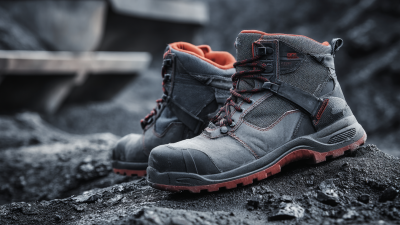
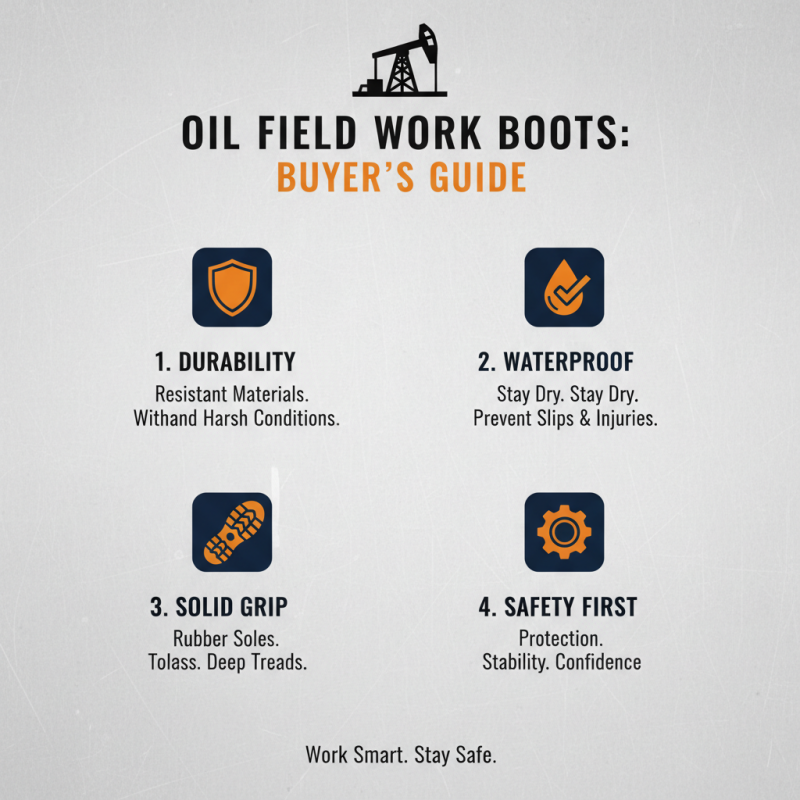
When choosing oil field work boots, durability is key. Look for materials that withstand harsh conditions. Waterproof options are essential. Wet environments can lead to slippery surfaces and injuries. Therefore, boots should have a solid grip. Choose rubber soles with deep treads. This helps prevent slips.

Comfort is another vital feature to consider. Boots should fit well, offering support all day long. Lack of proper fit leads to blisters and sore feet. Cushioned insoles can make a big difference. They reduce fatigue during long shifts. Additionally, consider boot height. Higher boots provide added protection from debris and oil.

Weight matters too. Heavy boots can slow you down. However, lightweight options often sacrifice durability. Finding the right balance is crucial. You may have to try several pairs. Don’t rush this process. Remember, the wrong choice can lead to discomfort. Prioritize your needs to ensure your boots perform well in the field.

Evaluating the Best Materials for Oil Field Work Boot Construction

10 Essential Tips for Choosing the Best Oil Field Work Boots

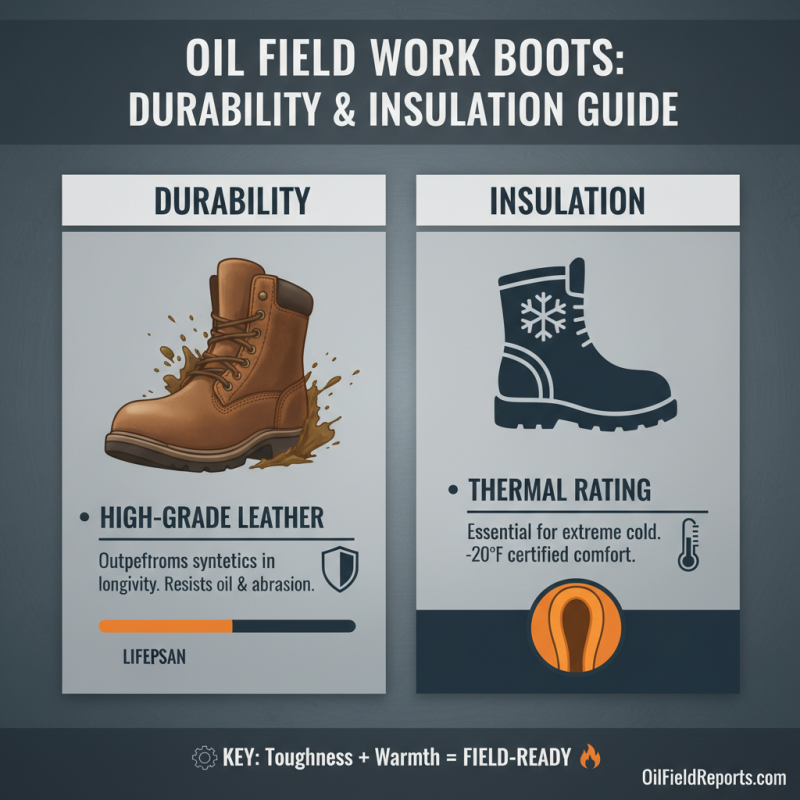
When evaluating materials for oil field work boots, durability is paramount. According to industry reports, boots made from high-grade leather often outperform synthetic options in terms of longevity. Leather can withstand harsh conditions, including oil spills and abrasive surfaces. However, it’s essential to consider the insulation properties. A study revealed that boots with thermal insulation rated to -20°F can significantly increase comfort in extreme temperatures.

Another critical aspect is water resistance. Boots constructed with waterproof membranes protect against moisture, reducing the risk of mold and bacteria. Surprisingly, not all waterproof materials offer breathability. Workers often find themselves with sweaty feet after long shifts. Balancing moisture management and waterproofing is crucial for prolonged wear.

The sole construction matters too. While rubber soles provide excellent traction on slippery surfaces, they can wear down quickly. Industry data indicates that polyurethane soles may offer better resistance to chemicals. Yet, they can be heavier, impacting agility. Finding a balance between weight and protection remains a common challenge for professionals in the field. Testing different materials could lead to improved safety and comfort. In the end, workers need to weigh these pros and cons carefully.

Understanding Sole Types and Their Impact on Traction in Oil Fields

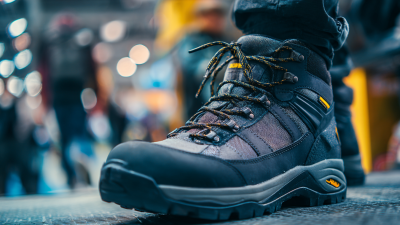
Choosing the right work boots for oil fields is crucial. Different sole types greatly affect traction, which can be the difference between safety and accidents. Rubber soles are often favored for their slip resistance. They perform well in wet environments where oil spills are common. The tread pattern also matters. A deep, aggressive tread offers better grip on uneven terrain.

However, not every boot with a rugged sole is suitable. Some may lack comfort or support. It's important to try on boots with the right sole thickness. Too thick may feel clumsy, while too thin can lead to fatigue. Consider the type of surface you'll encounter. Concrete, mud, and rocky paths each demand different features in a sole.

Moreover, many workers overlook the importance of the sole's flexibility. Stiff soles provide stability but can restrict movement. If you find it hard to walk, you might reconsider your choice. Striking the right balance between support and flexibility is key. Test the boots among various conditions, and reflect on how they adapt. Your safety should never be compromised for style.

Traction Comparison of Sole Types for Oil Field Work Boots

Assessing Proper Fit: Comfort and Protection for Long Work Hours

Choosing the right work boots for oil field conditions is crucial. Proper fit impacts safety and comfort. A report from the National Institute for Occupational Safety and Health indicates that foot injuries account for 15% of workplace injuries. This highlights the importance of selecting boots that fit well.

When assessing fit, consider the toe box. It should allow wiggle room for your toes. If the boots are too tight, they can cause blisters. Wide feet often need wider options. Measuring your feet at the end of the day can help capture any swelling that occurs from hours of standing.

Additionally, test the boots for comfort. Walk around on various surfaces to assess cushioning. A quality insole makes a significant difference. If you feel pressure points, those boots may not be right. Remember, spending long hours in uncomfortable boots can cause fatigue. Always think ahead about your comfort needs.