How to Choose Winter Work Safety Boots for Cold Weather?
Choosing the right Winter Work Safety Boots is crucial for those who work outdoors in cold weather. These boots protect your feet from the elements. They also ensure safety on slippery surfaces. Inadequate footwear can lead to accidents or health issues.
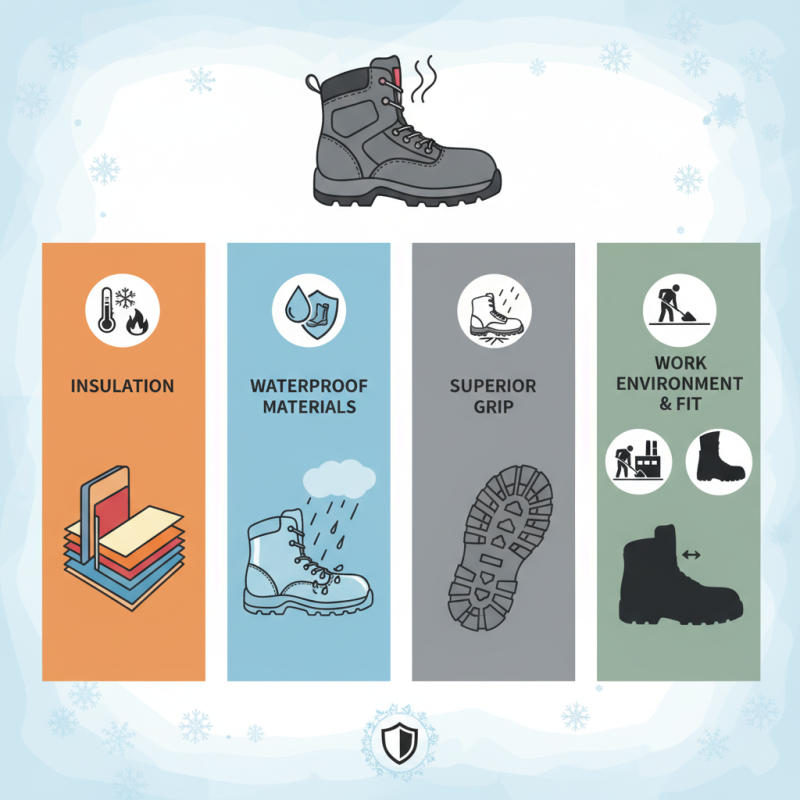
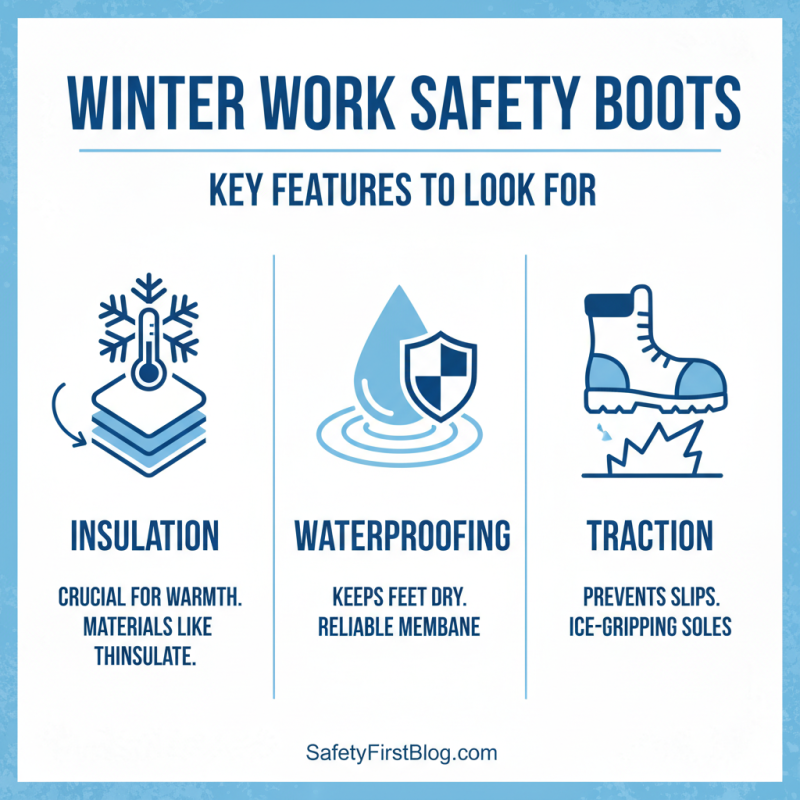
Look for insulation to keep your feet warm. Waterproof materials are essential to keep moisture out. A good grip on the outsole prevents slipping. Many options lack these critical features. Choosing the wrong pair could result in discomfort. You might end up with cold, wet feet or even injuries.
Consider your work environment. Are you on ice, snow, or wet ground? Ensure the boots fit well and provide necessary support. Avoid prioritizing style over function. Sometimes, the most appealing boots are not the safest. Reflect on the specific needs of your job to make the best choice.
Understanding the Importance of Winter Work Safety Boots in Cold Weather
Winter work safety boots are crucial for anyone exposed to cold weather. They protect against frostbite and hypothermia. When temperatures drop, the risk of slips and falls increases. Proper footwear can reduce these hazards significantly.
Warmth, grip, and support are essential features. Look for boots with insulation for added warmth and waterproof materials to keep feet dry.
Comfort is equally important. Boots should fit snugly but allow wiggle room for toes. Heavy, stiff boots can cause discomfort during long work hours. Consider styles with cushioned insoles for better support. A traction tread is necessary for icy conditions. Each job site presents unique challenges.
Evaluate your specific needs carefully before making a decision.
Remember, not all winter boots are made equal. Some may look good but fail to perform in extreme conditions. A few minutes spent researching can prevent painful missteps. Examine reviews and guidelines. Get familiar with features to recognize what's essential.
Ultimately, prioritize safety over fashion, ensuring your feet are adequately equipped for winter's rigors.
Material Considerations for Insulation and Waterproofing
When choosing winter work safety boots, insulation and waterproofing materials are crucial.
Insulation helps keep feet warm in frigid temperatures.
Look for boots made with high-quality materials like Thinsulate or wool. These materials trap heat
and provide comfort throughout the workday.
Waterproofing is equally important. Wet feet can lead to discomfort
and health issues. Boots with rubber or synthetic leather outer layers often provide excellent waterproofing.
A breathable membrane can enhance comfort while keeping moisture out.
Consider the boot's construction; seams should be sealed to avoid leaks.
It’s essential to test the boots before committing. Walk around in them, gauge the insulation level.
Are they too tight? Too loose? Sometimes, sizing can be tricky. Remember, even the best materials won’t protect
if the fit isn’t right. Prioritize comfort and durability
over flashy designs. Your feet will thank you on those cold, long days.
Evaluating Fit and Comfort for Optimal Performance
When selecting winter work safety boots, fit and comfort are critical. A good fit should provide ample room in the toe area. Your toes shouldn’t feel cramped. Additionally, choose boots that offer snug ankle support. This reduces the risk of injuries on slippery surfaces.
Evaluate the thickness of insulation in the boots. Thicker insulation can keep your feet warm but might make it feel tighter. Consider trying on layers of socks. This can help gauge if the boots still feel comfortable and not restrictive. Pay attention to heel slip as well. If your heel moves too much, it could lead to blisters.
Finally, the weight of the boot matters. Heavier boots can tire your legs. Lightweight options may provide comfort in prolonged use. However, too lightweight may compromise safety features. Reflect on your work environment and daily activities. Determine what balance of protection and comfort fits your needs best.
How to Choose Winter Work Safety Boots for Cold Weather? - Evaluating Fit and Comfort for Optimal Performance
| Feature |
Description |
Importance |
Recommendation |
| Insulation |
Provides heat retention to keep feet warm in cold conditions. |
High |
Look for boots with at least 200 grams of insulation. |
| Waterproofing |
Prevents moisture from entering the boot, keeping feet dry. |
High |
Consider boots with Gore-Tex or rubber waterproofing. |
| Comfort and Fit |
Ensures long-term wear without discomfort or blisters. |
Critical |
Try boots with various thicknesses of socks for a proper fit. |
| Traction |
Provides grip on icy or slippery surfaces to prevent falls. |
High |
Choose boots with deep lugs or a solid rubber sole. |
| Weight |
The overall heaviness of the boot affects fatigue during long wear. |
Medium |
Lightweight materials like synthetic uppers may reduce fatigue. |
Safety Standards and Certifications for Winter Work Boots
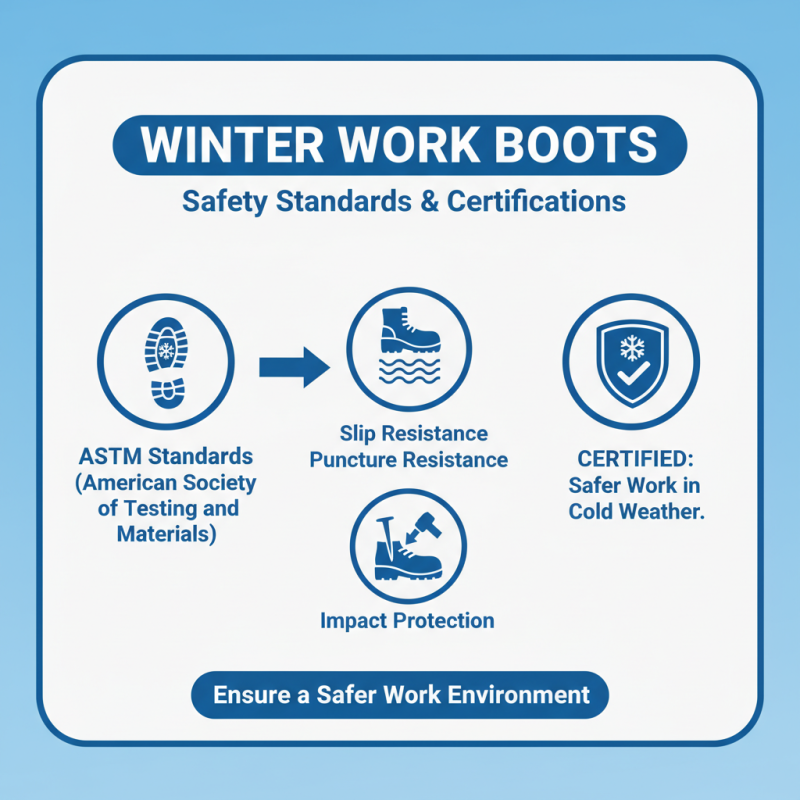
When selecting winter work safety boots, understanding safety standards and certifications is crucial. Look for boots that meet ASTM (American Society for Testing and Materials) standards. These include slip resistance, puncture resistance, and impact protection. Certified boots ensure a safer work environment, especially in cold weather.
Tips: Check for insulation ratings. Insulated boots help maintain warmth during long outdoor shifts. Waterproof materials keep feet dry and comfortable. Reflective elements can enhance visibility in low-light conditions.
Another important aspect is the outsole. A thick, non-slip outsole prevents falls on icy surfaces. Boots with good ankle support reduce injuries. Remember, only certified boots can provide the protection you need in harsh conditions. Testing your selected boots before use is wise. They might not fit as expected. Comfort is often overlooked but essential for long hours of wear.