How to Choose the Best Workwear for Comfort and Durability
Choosing the right workwear is essential for anyone whose job demands both comfort and durability. The right attire not only improves performance but also enhances safety and confidence on the job. When selecting workwear, it’s important to consider various factors such as the nature of the work, the environment, and the materials used in the clothing. With a plethora of options available, it can be overwhelming to determine which garments provide the best balance of comfort and strength.
A popular choice among professionals is Dewalt Workwear, known for its quality construction and reliable fabrics. However, while evaluating workwear options, one should focus on key characteristics such as fit, flexibility, breathability, and resistance to wear and tear. Comfort is paramount, as workers spend long hours in their gear, and durable materials protect against the rigors of daily tasks. Moreover, choosing workwear that allows for a full range of motion is crucial in maintaining productivity and preventing injuries.
Ultimately, the best workwear enhances the overall work experience, ensuring that individuals can perform their tasks without the distraction of uncomfortable clothing. By focusing on comfort and durability in your selection, you can find the right gear that meets both your professional needs and personal preferences.
Understanding the Importance of Comfort and Durability in Workwear
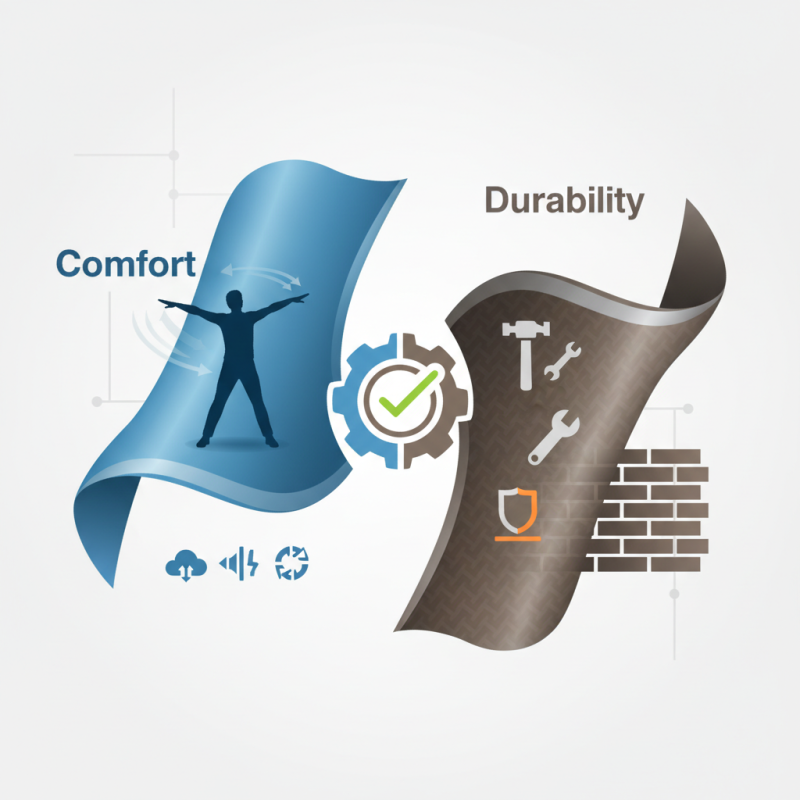
When selecting workwear, understanding the significance of comfort and durability can't be overstated. Comfort in work clothing enhances productivity, allowing workers to focus on their tasks without the distraction of discomfort or restricted movement. Choosing fabrics that are breathable and flexible ensures the wearer can perform physical duties with ease, while also providing the necessary protection from the environment.
Durability is equally crucial, especially for those engaged in demanding jobs. Work attire should withstand wear and tear, maintaining integrity even after countless washes. Opting for materials with strong stitching and reinforced seams can significantly extend the lifespan of your workwear.
Tips: When evaluating workwear, consider trying garments on while in motion to gauge comfort levels. Look for features such as stretch panels or adjustable components to customize the fit. Additionally, prioritize fabrics that resist stains and abrasions to ensure your clothing remains functional and presentable over time. Investing in quality workwear equipped for comfort and durability will not only make your job easier but also create a more enjoyable working atmosphere.
Identifying Your Job Requirements and Environment for Suitable Workwear
When selecting workwear, understanding your job requirements and the specific environment in which you operate is crucial. Different professions have unique demands; for instance, construction workers require durable materials that can withstand abrasions and adverse weather, while warehouse staff may need clothing that allows for ease of movement and flexibility. Analyzing the tasks you perform daily can help narrow down the essential features your workwear must possess, ensuring it is both functional and safe.
Furthermore, considering your work environment plays a significant role in your choice of attire. If you work in a cold or wet area, insulation and waterproof materials are essential. In contrast, roles that involve elevated temperatures might necessitate breathable fabrics that wick away moisture. Understanding local safety regulations may also dictate the type of personal protective equipment (PPE) required in your field. By carefully evaluating these factors, you can choose workwear that not only meets regulatory standards but also enhances your comfort and productivity on the job.
Material Selection: Choosing Fabrics for Breathability and Strength
When selecting workwear, the choice of fabric is crucial for ensuring both comfort and durability. Fabrics that offer breathability and strength can greatly enhance the working experience, especially in demanding environments. Natural fibers like cotton and wool provide excellent breathability, allowing moisture to escape and helping the body maintain a comfortable temperature. Conversely, synthetic materials, such as polyester and nylon, are known for their durability and resistance to wear and tear. According to a report by the American Society for Testing and Materials, synthetic fabrics can endure up to 30% more abrasion compared to traditional cotton blends, making them ideal for heavy-duty workwear.
Tips: Consider fabrics with moisture-wicking properties for high-activity roles. These materials effectively transport sweat away from the skin, keeping the wearer dry and comfortable throughout long working hours. Additionally, look for tightly woven fabrics that offer increased resistance to snagging and tearing, which is vital in industrial settings where safety is a priority.
When combining comfort and durability, blended fabrics can also be an excellent choice. A blend of cotton and polyester, for example, offers the softness of cotton with the strength of polyester. Research indicates that blending not only improves the longevity of work garments but also enhances their ability to withstand frequent washing and harsh conditions. This combination is especially beneficial for careers requiring frequent laundering without sacrificing comfort, ensuring that workers feel good while performing their tasks.
Evaluating Fit and Design for Maximum Mobility and Comfort
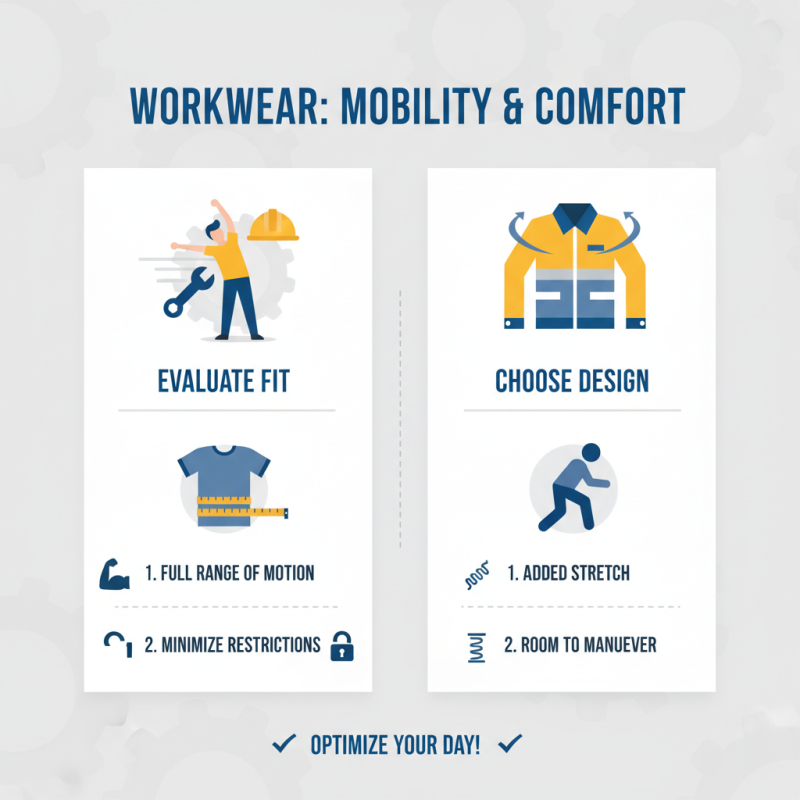
When selecting workwear, evaluating fit and design is crucial to ensure maximum mobility and comfort. Clothes that fit well allow for a wider range of motion, minimizing restrictions during physical tasks. Consider the nature of your work—if it involves heavy lifting, bending, or stretching, opt for styles that offer added stretch or room to maneuver. Fabrics with a little give can significantly enhance your comfort throughout the day.
Tip: Always try on workwear before purchasing. Move around, bend, and reach to test the garment's fit in various positions. Look for features such as gussets or articulated joints, which provide greater articulation and flexibility in the design.
Additionally, the design of workwear should align with your specific job requirements. Pockets should be strategically placed for easy access, and closures should be secure but not restrictive. Breathable materials are essential if you work in hot environments, while insulated fabrics may be necessary for colder settings. Selecting the right design will help maintain your focus and efficiency at work.
Tip: Opt for workwear with moisture-wicking properties if your job involves physical labor. This feature helps keep you dry and comfortable, allowing you to concentrate on the task without the distraction of discomfort.
Budget Considerations: Balancing Quality and Affordability in Workwear
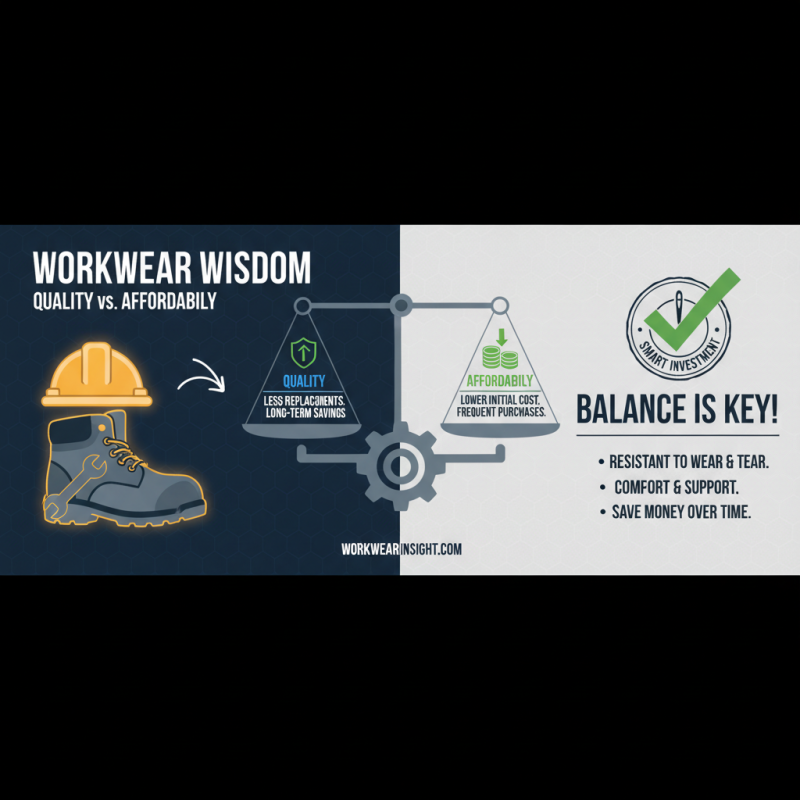
When it comes to selecting workwear, balancing quality and affordability can be a challenging task. High-quality materials often come with a higher price tag, but investing in durable clothing can save money in the long run by decreasing the frequency of replacements. It’s essential to consider how the workwear will hold up under daily wear and various work conditions. Investing in items that resist wear and tear will provide comfort and support throughout the workday.
Tips for managing your budget while ensuring quality include prioritizing essential items. Start with versatile basics that can be mixed and matched, ensuring you get more use out of each piece. Additionally, look for sales, discounts, or bulk purchase options that allow you to save money without sacrificing the quality of your workwear. Pay attention to fabric types; materials like cotton blends often offer a good balance of comfort, durability, and affordability.
Another consideration is the potential for customization or adjustment of workwear. Buying slightly larger sizes may allow for alterations, providing a fit that enhances comfort without compromising on durability. Consider shopping from local suppliers who may offer lower prices without sacrificing quality, supporting both your budget and the local economy. With careful planning and strategic buying, you can achieve a comfortable and durable workwear wardrobe without breaking the bank.