How to Choose the Best Oil Rigger Boots for Comfort and Safety
In the demanding environment of oil rig operations, choosing the right footwear is critical for ensuring both comfort and safety. Workers often encounter hazardous conditions, including slippery surfaces, heavy machinery, and the risk of foot injuries from falling objects. According to a report by the National Institute for Occupational Safety and Health (NIOSH), improper footwear contributes to a significant percentage of workplace injuries in the oil and gas industry. Therefore, selecting the Best Oil Rigger Boots is not merely a matter of preference; it is an essential step towards safeguarding employees' well-being.
When evaluating the Best Oil Rigger Boots, factors such as slip resistance, steel toe protection, and moisture-wicking properties should be carefully considered. The American Society for Testing and Materials (ASTM) has established standards for safety footwear that emphasize the importance of selecting boots that meet specific criteria for impact resistance, electrical hazards, and chemical protection. These guidelines highlight the need for quality construction and thoughtful design to provide adequate protection and comfort during long hours of work in challenging conditions.
Ultimately, the decision to invest in the Best Oil Rigger Boots impacts overall productivity and reduces the likelihood of injuries on the job. With the rising focus on worker safety and well-being within the industry, ensuring that employees have access to high-quality footwear is an actionable step that not only enhances safety but also fosters a more positive and efficient work environment.
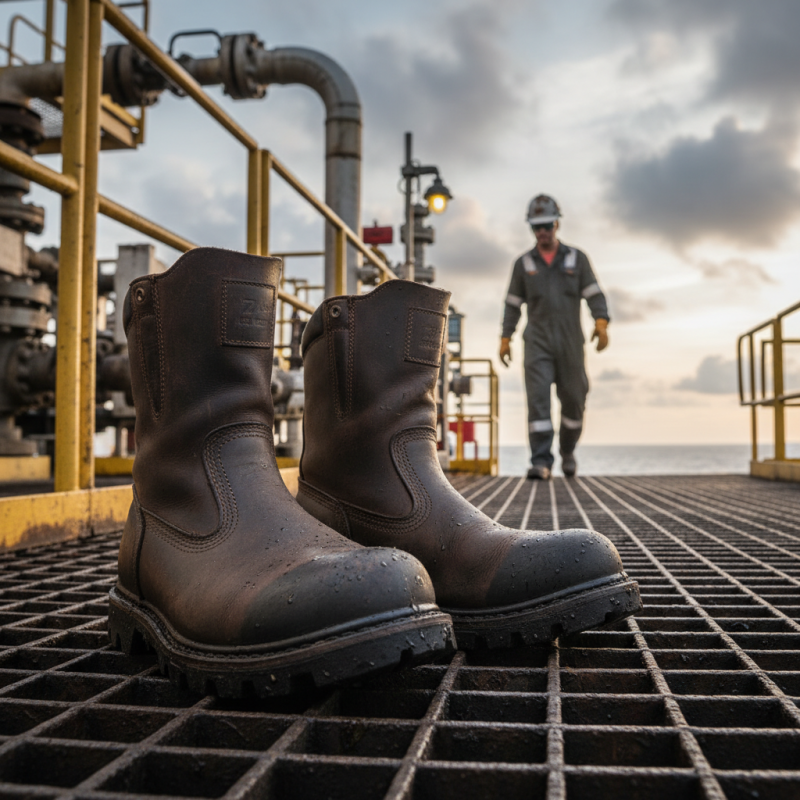
Understanding the Importance of Oil Rigger Boots for Comfort and Safety
When working in the oil and gas industry, the importance of choosing the right oil rigger boots cannot be overstated. These boots are designed to withstand the harsh conditions typical of oil rigs, where both comfort and safety are paramount. Comfortable boots can make a significant difference in a worker's performance and overall well-being, as long hours on site require footwear that supports foot health and reduces fatigue.
Moreover, a well-fitting boot with adequate cushioning and arch support can help prevent common foot ailments and ensure that workers remain focused on their tasks rather than discomfort.
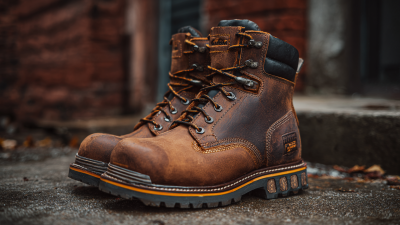
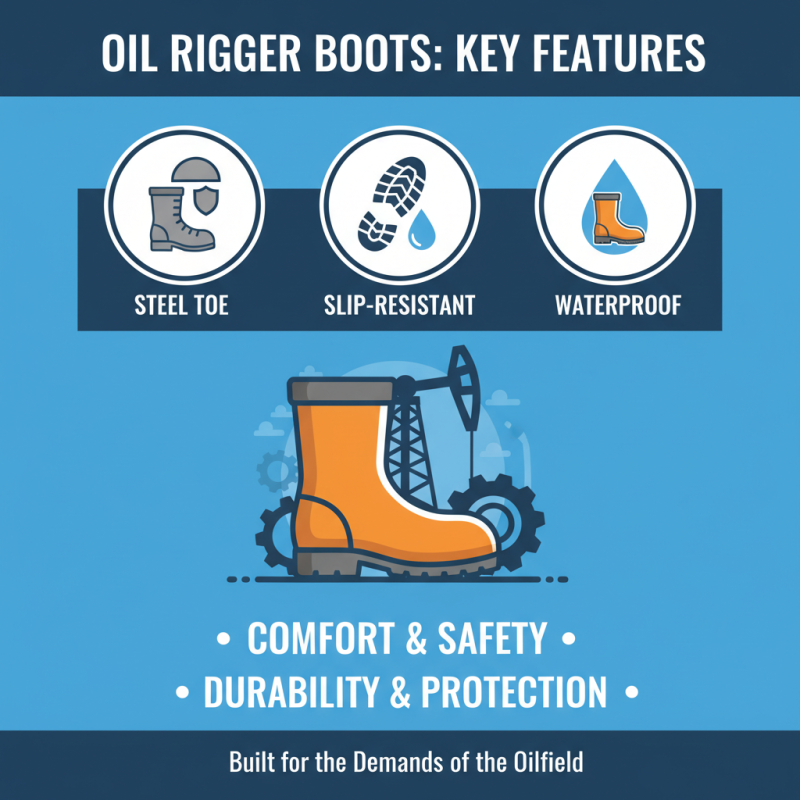
Safety features in oil rigger boots are equally crucial. The work environment is fraught with hazards such as slippery surfaces, heavy machinery, and potential chemical exposure. Therefore, boots must often have slip-resistant soles, steel toe caps, and waterproof materials to mitigate these risks. By choosing boots that provide both comfort and these essential protective characteristics, workers can significantly reduce the likelihood of injuries on the job.
It is imperative to understand that the right pair of boots combines ergonomic design with robust safety features, ultimately contributing to a safer work environment and enhancing the efficiency of oil rig operations.
Key Features to Look for in High-Quality Oil Rigger Boots
When selecting oil rigger boots, several key features are essential to ensure comfort and safety while working in demanding environments. Firstly, the material of the boots plays a crucial role. High-quality leather or synthetic materials provide durability and protection against harsh conditions. Look for boots that offer waterproofing to keep your feet dry. Additionally, a slip-resistant sole is vital for maintaining traction on slippery surfaces, which is a common hazard in oil rig operations.
Another important aspect to consider is the cushioning and support provided by the boots. A well-padded insole can enhance comfort during long hours of wear, while a supportive midsole can reduce foot fatigue. It's also beneficial to have features such as reinforced toe caps that offer extra protection against heavy falling objects. Lastly, ensure that the boots are designed with an easy to use fastening system, which can make putting them on and taking them off more convenient, especially in emergency situations. Prioritizing these features will help you find oil rigger boots that meet your comfort and safety needs effectively.
Choosing the Right Material for Optimal Durability and Comfort
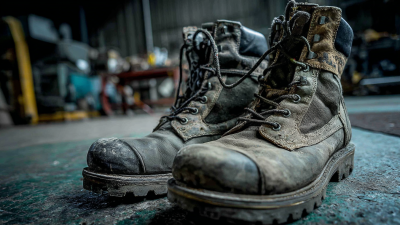
When selecting oil rigger boots, the material plays a crucial role in providing both durability and comfort. Leather is one of the most popular choices due to its robustness and natural water resistance. Full-grain leather, in particular, can withstand harsh environmental conditions while maintaining breathability. For those working in wet or muddy conditions, materials that repel water, such as treated leather or synthetic alternatives, can offer additional protection against moisture, keeping your feet dry and comfortable throughout the day.
When choosing the right material, consider the specific demands of your job. For high-heat environments, look for boots made from fire-resistant materials, while insulated options are better suited for cold weather. Rubber compounds can also enhance durability, especially for the soles, providing excellent grip on slippery surfaces.
**Tips:** Always check for cushioned insoles and moisture-wicking liners to improve comfort during long shifts. Additionally, ensure that the material allows for easy cleaning, as boots can quickly accumulate dirt and grime in demanding work environments. Lastly, don't overlook the importance of a proper fit; boots that are too tight or loose can lead to discomfort and safety hazards.
How to Choose the Best Oil Rigger Boots for Comfort and Safety
| Material |
Durability |
Comfort Level |
Water Resistance |
Weight |
Price Range |
| Leather |
High |
Moderate |
Yes |
Heavy |
$150 - $300 |
| Rubber |
Very High |
Low |
Yes |
Moderate |
$100 - $250 |
| Synthetic |
Moderate |
High |
Yes |
Light |
$80 - $180 |
| Mesh |
Low |
High |
No |
Very Light |
$60 - $120 |
| Nylon |
Moderate |
Moderate |
Yes |
Light |
$70 - $170 |
Evaluating Fit and Sizing for Maximum Safety in Oil Rigger Boots
When selecting the best oil rigger boots, evaluating fit and sizing is paramount for ensuring maximum safety and comfort on the job. A proper fit significantly reduces the risk of foot injuries—statistics show that nearly 70% of workplace injuries stem from inadequate protective footwear. To achieve optimal fit, it’s essential to consider not only the numerical size but also the width and overall shape of the foot. Both men and women in the oil and gas industry should measure their feet at the end of the day when they are slightly swollen, which can help in selecting the most comfortable fit.
Another critical aspect of sizing is accounting for the type of socks that will be worn with the boots, as this can affect the overall fit. For instance, heavy-duty thermal socks used in colder environments can require opting for a slightly larger boot size to ensure that the feet remain warm without restricting movement. Industry reports emphasize that ensuring the right boot size can decrease fatigue and enhance overall job performance, which is vital in high-stakes settings like oil rigs where safety and quick reaction times are essential. Therefore, investing time in accurately measuring foot dimensions and trying on various designs can lead to safer and more comfortable work experiences.
Top Brands and Models Recommended for Oil Rigger Boots
When selecting the best oil rigger boots, it’s crucial to focus on comfort and safety. Different brands offer a variety of models that cater to the unique demands of oilfield work. Look for boots with features like steel toes for added protection, slip-resistant soles for enhanced traction, and waterproof materials to keep your feet dry in harsh conditions.
In terms of top models, many are designed specifically for the rig environment. Some boots prioritize durability with reinforced stitching and materials that can withstand oil and chemical exposure. Others excel in comfort, providing cushioned insoles and ergonomic designs that support long hours of wear. It’s advisable to try on several styles to find the right fit, as a comfortable boot can significantly affect performance on the job.
**Tips:**
When choosing your oil rigger boots, ensure they have proper arch support to reduce fatigue during extended periods of standing. Additionally, consider boots with adjustable closures, as they allow for a customized fit, accommodating any swelling that may occur during the day. Always check for safety ratings to confirm that the boots meet industry standards for protection against electrical hazards and puncture risks.