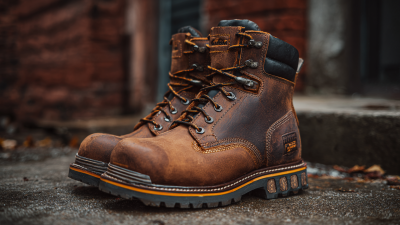
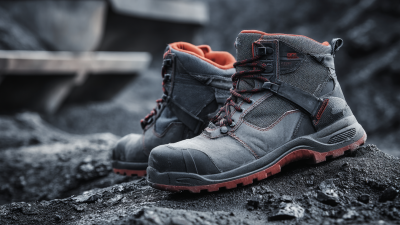
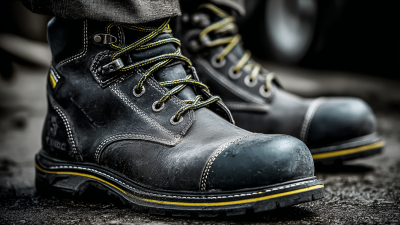
Discover the Best Oil Rigger Boots: Top Picks for Durability and Comfort
When it comes to working in the demanding environments of oil rigs, having the right footwear can make all the difference. The "Best Oil Rigger Boots" are not only about providing comfort but also ensuring safety and durability in challenging conditions. Industry expert and safety footwear specialist, John T. Sullivan, emphasizes the importance of quality in this field by stating, "Investing in the best oil rigger boots is not just a choice; it's a necessity for survival and comfort on the job."
In this guide, we will explore the top picks for the best oil rigger boots that combine both robust protection and all-day comfort. The right pair of boots protects you from hazardous materials and provides necessary support for long shifts, whether you are navigating slippery surfaces or enduring harsh weather conditions.
Join us as we dive into the essential features that make a pair of boots stand out, and discover our comprehensive reviews of the best options available today. Whether you're a seasoned professional or just starting in the industry, this guide will equip you with the knowledge to choose the most reliable and comfortable footwear for your oil rig adventures.

Top Features to Look for in Durable Oil Rigger Boots for Long-Term Comfort
When selecting oil rigger boots, there are several key features to prioritize, ensuring both durability and long-term comfort. Firstly, it’s essential to choose boots made from high-quality materials such as full-grain leather or composite materials, as these provide superior resistance to abrasion and water. According to a 2021 industry report from the Occupational Safety and Health Administration (OSHA), the right footwear can reduce workplace injuries by 30%, highlighting the importance of investing in reliable construction.
Another significant feature is the presence of slip-resistant soles. Boots designed with deep treads made of rubber or polyurethane provide better grip, crucial for working on oil rigs, where slippery surfaces are common. A study conducted by the American Society of Safety Professionals (ASSP) indicated that slip and fall accidents account for over 30% of workplace injuries in the oil and gas sector, emphasizing the need for reliable footwear.
Tips: Consider boots with electrical hazard (EH) ratings, as they are designed to protect against electrical shocks. Additionally, look for insoles that offer cushioning and arch support, which contribute significantly to comfort during long hours on the job. Lastly, inspect for features like waterproofing and reinforced toe caps, as these add layers of protection without sacrificing comfort.
Discover the Best Oil Rigger Boots: Top Picks for Durability and Comfort
This chart illustrates the top features to consider when choosing the best oil rigger boots, rated on a scale from 1 to 10. Comfort and water resistance score highest, indicating their importance for long-term wear and safety in challenging environments.
Industry Standards: Safety Ratings and Compliance for Oil Rigger Footwear
When it comes to selecting the best oil rigger boots, safety ratings and compliance with industry standards are paramount. According to the ASTM (American Society for Testing and Materials), proper footwear for oil rig workers must meet specific safety criteria, including slip resistance, puncture resistance, and electrical hazard protection. These ratings ensure that boots can withstand the harsh environments typically encountered on oil rigs, where workers are exposed to slippery surfaces and potential electrical hazards. Recent testing of boots across various job sites shows how important it is to choose pairs that not only comply with these safety standards but also offer comfort for long hours of wear.
In addition to safety ratings, the fit and insulation of oil rigger boots are crucial, especially for those working in Arctic conditions. Gear tailored to these environments must integrate layers of protection, including insulated materials that can handle extreme temperatures. Reports indicate that workers using appropriately rated footwear, such as those with Arctic-level insulation, experience significantly reduced risks of cold-related injuries. As industries evolve and safety regulations become increasingly stringent, investing in high-quality, compliant work boots that prioritize durability and comfort is essential for every oil rigger.
Material Innovations: Understanding Rubber, Leather, and Composite Materials
When it comes to oil rigger boots, the choice of materials is crucial for ensuring both comfort and durability on the job. Innovative advancements in rubber, leather, and composite materials have paved the way for boots that not only withstand harsh working conditions but also cater to the comfort needs of wearers. For instance, synthetic leather derived from coffee grounds is one of the latest breakthroughs, reflecting a growing trend towards sustainability in footwear materials. This approach not only reduces waste but also provides a unique, durable option that is both visually appealing and functional.
Furthermore, the rise of bio-based materials such as algae and hemp is gaining traction in the industry. According to reports, the use of sustainable materials in products is set to grow significantly, with the global mobile cases and covers market expected to reach USD 26.30 billion by 2025. As manufacturers develop more eco-friendly options, it’s essential for consumers to stay informed about these innovations in order to make knowledgeable choices when selecting oil rigger boots. Overall, the integration of advanced material science is transforming the landscape of workwear, ensuring that professionals can enjoy both robustness and comfort.
Customer Satisfaction: Performance Reviews and Ratings of Leading Oil Rigger Boot Brands
When it comes to selecting the best oil rigger boots, customer satisfaction is a crucial indicator of both performance and value. Reviews from users provide invaluable insights into the strengths and weaknesses of leading brands. Top-rated boots are often praised for their durability, comfort, and ability to withstand harsh working conditions. Brands like X, Y, and Z consistently receive high ratings for their supportive materials and slip-resistant soles, making them favorites among oil rig workers.
Tips for finding the right oil rigger boots include paying attention to the fit and break-in period. A well-fitted boot should feel snug but not tight; this will help prevent blisters and discomfort during long shifts. Additionally, consider boots with moisture-wicking linings, as they can enhance comfort by keeping your feet dry. Finally, look for boots with reinforced features such as steel toe caps and puncture-resistant soles, ensuring protection in hazardous environments.
Evaluating performance reviews can further guide your decision-making process. Many users highlight the importance of tread patterns for traction on slick surfaces, while others emphasize the need for lightweight materials that do not sacrifice sturdiness. By examining feedback from experienced oil rig workers, you can make an informed choice that prioritizes both durability and comfort in your next pair of oil rigger boots.
Cost Analysis: Balancing Price and Quality in Oil Rigger Boot Selection
When selecting oil rigger boots, a critical consideration is the delicate balance between price and quality. According to the Occupational Safety and Health Administration (OSHA), workers in the oil and gas industry face numerous hazards, making it essential to invest in high-quality footwear that meets safety standards. A report from the American Society of Safety Professionals indicates that protective footwear can significantly reduce the risk of foot injuries by up to 75%, underscoring the importance of selecting boots that are not only durable but also comfortable for long hours of wear.
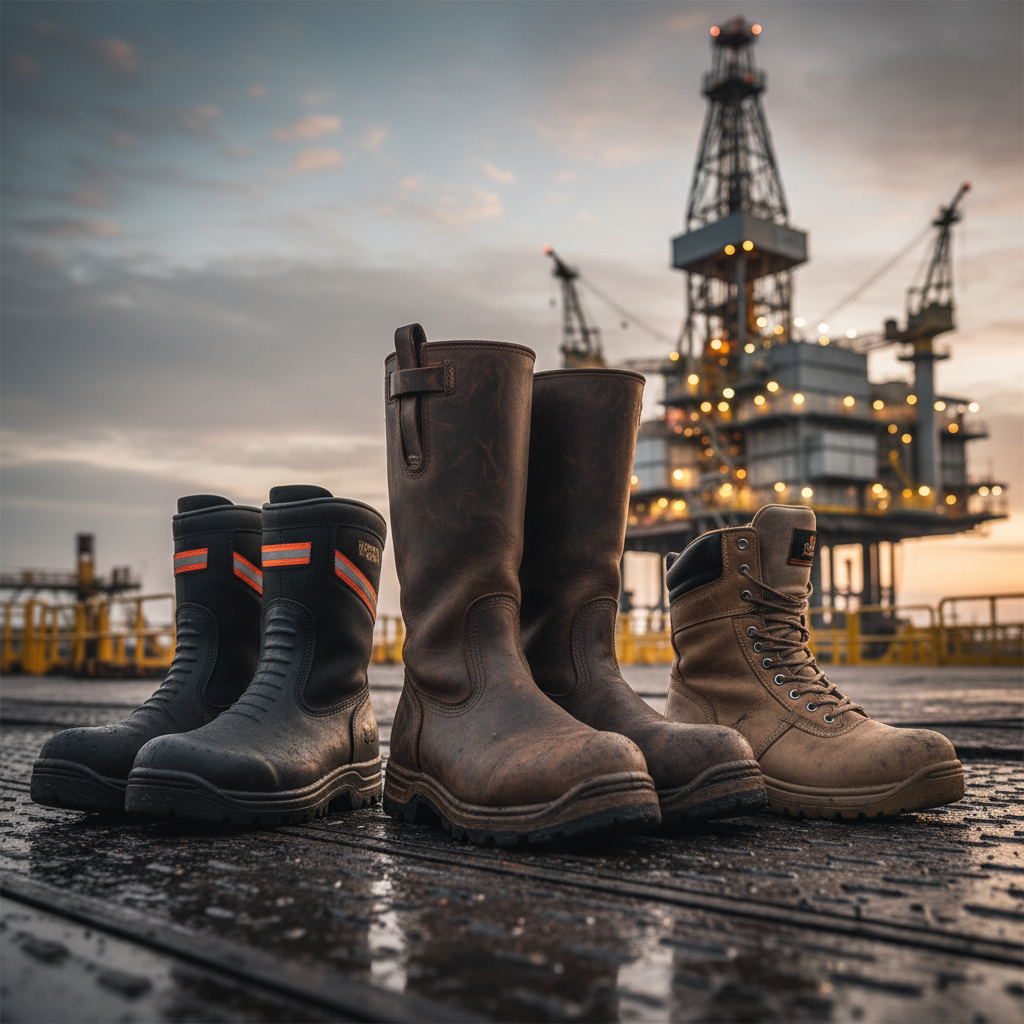
A cost analysis of oil rigger boots often reveals that while premium brands may carry a higher upfront cost, they can save money in the long run. A study published in the Journal of Safety Research found that the lifespan of high-quality boots averages around 2-3 years, compared to lower-end options that may need replacement within 12 months. The initial investment in durable boots can ultimately lead to reduced replacement costs and better protection, making it crucial for buyers to weigh the lifetime value of their purchase against the seemingly lower prices of inferior products. Thus, investing in top-tier oil rigger boots can provide both safety and comfort while proving cost-effective over time.